Plant Tissue Culture & Virus-Free Seed Potato Micropropagation at BADC Kashimpur
 By Md. Mamunur Reza (Assistant Program Director, APCU-BADC PARTNER & PhD Fellow)
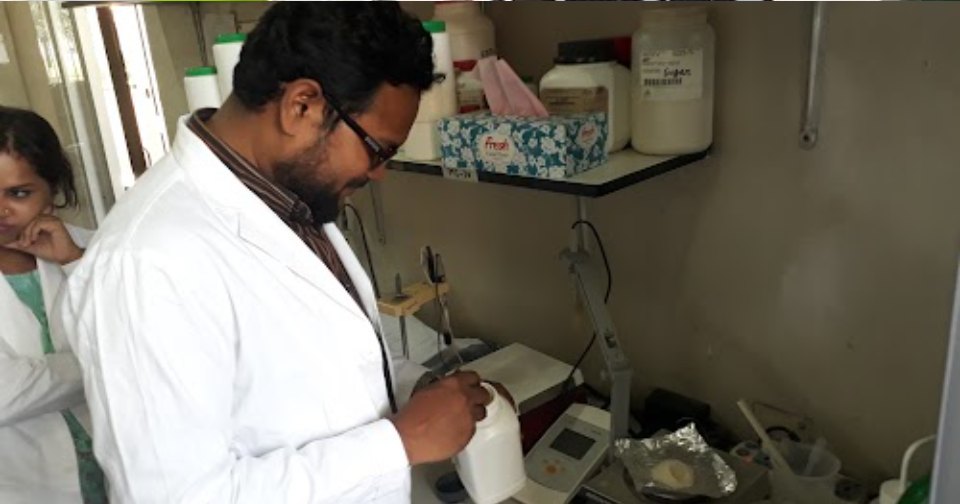
Vegetatively propagated crops such as potato (Solanum tuberosum) and banana (Musa spp.) suffer severe yield degeneration over successive field generations due to systemic accumulation of viral pathogens—most notably Potato Virus Y (PVY), Potato Leafroll Virus (PLRV), and Potato Virus X (PVX). Between 2015 and 2018 at the BADC Kashimpur Tissue Culture Laboratory & 2,000-MT Cold Storage, our mandate was breaking this cycle of viral degeneration.
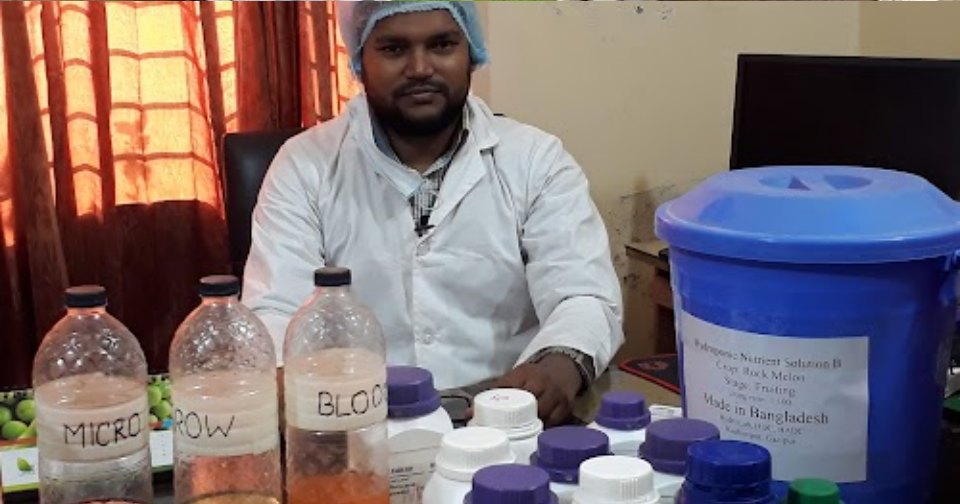
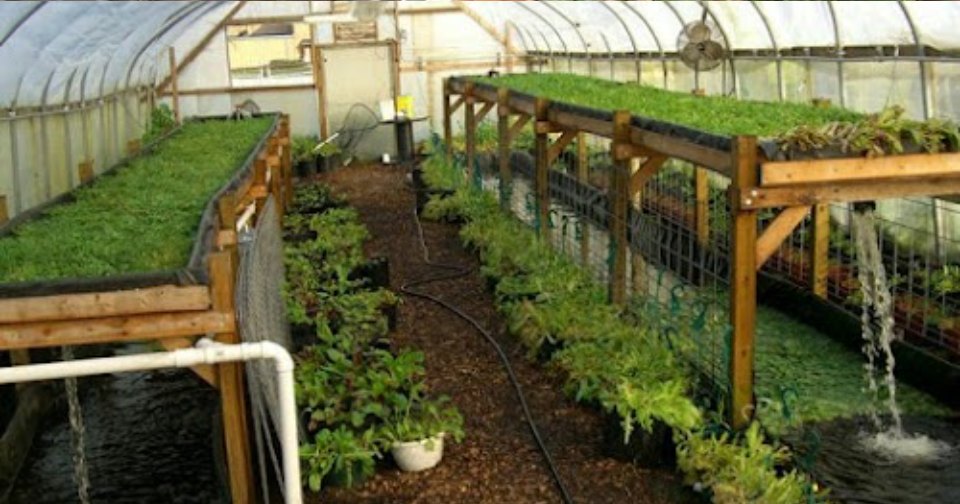
1. Meristem Excision, Thermotherapy & ELISA Indexing
Because the apical meristem dome (0.1–0.3 mm) lacks differentiated vascular bundles (xylem and phloem) through which viruses rapidly translocate, excising the meristem under stereomicroscope following thermotherapy (36–38°C) yields virus-free mother plantlets. Every nuclear stock line was verified via DAS-ELISA serological assays before mass sub-culturing.
2. Single-Node Subculture on Modified MS Media & Net-House Minitubers
Verified nuclear plantlets were multiplied exponentially via single-node cuttings on Murashige and Skoog (MS) basal medium supplemented with 3% sucrose, myo-inositol, calcium pantothenate, and balanced cytokinin/gibberellin ratios under 16-hour cool-white fluorescent/LED photoperiods at 22 ± 1°C. Acclimatized in-vitro plantlets were subsequently transplanted into aphid-proof 60-mesh net-houses to harvest Pre-Basic (G0) minitubers stored in our 2,000-MT climate-controlled cold storage.