Greenhouse Climate Engineering & 4IR Monitoring Systems for Sub-Tropical Horticulture
 By Md. Mamunur Reza (Assistant Program Director, APCU-BADC PARTNER & PhD Fellow)
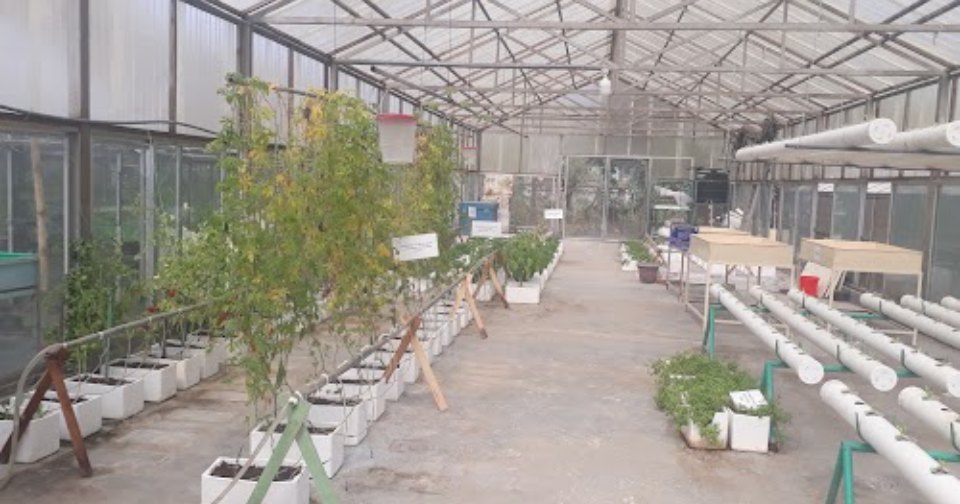
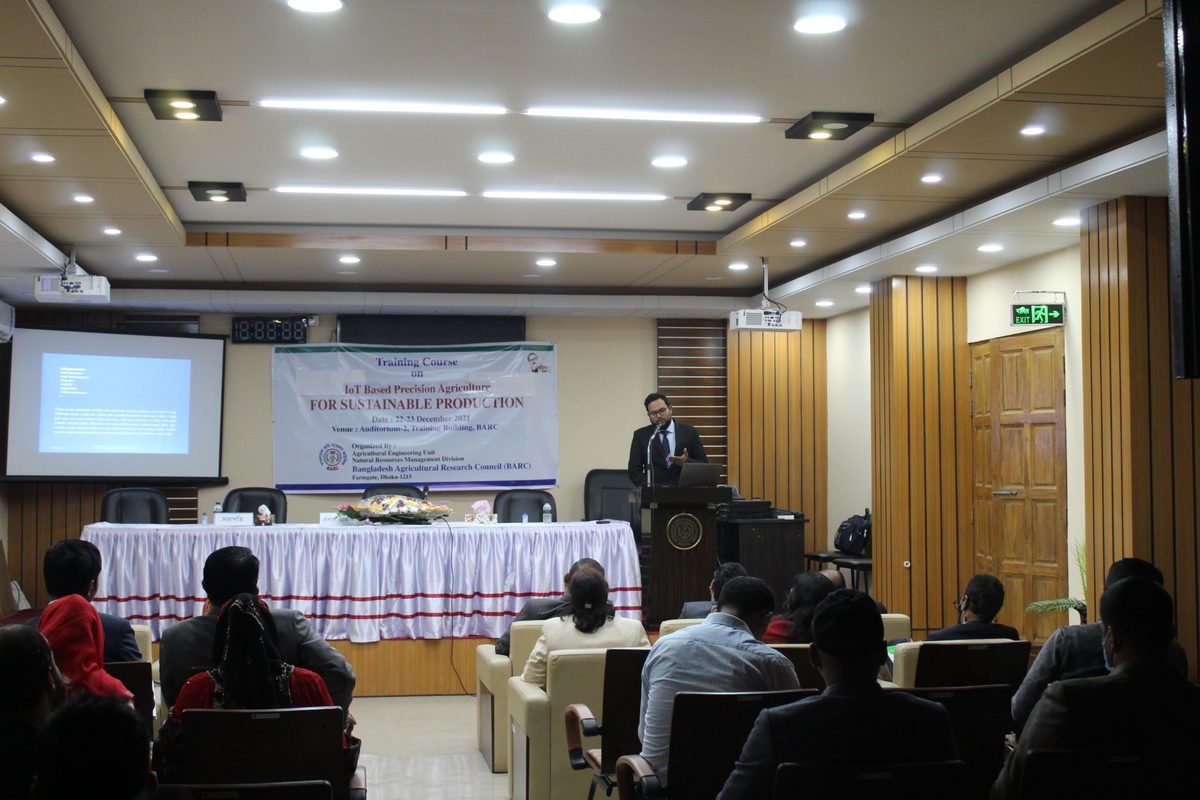
Importing European winter-greenhouse designs directly into South Asia without thermodynamic adaptation is one of the most common causes of commercial greenhouse failure. In our two national Training of Trainers (ToT) manuals published by the Bangladesh Agricultural Research Council (BARC) under Project ID 4IR T&D-001 (2022 & 2023), we established structural and 4IR automation guidelines specifically engineered for warm, humid sub-tropical climates.
1. Thermodynamic Challenges in Sub-Tropical Greenhouses
Unlike temperate glasshouses designed to trap solar heat during freezing winters, sub-tropical greenhouses in Bangladesh must shed excess sensible and latent heat while excluding insect vectors (whiteflies, thrips, aphids) and monsoon downpours. Key structural requirements include:
- Gutter-Connected Sawtooth or Split-Roof Geometry: A minimum gutter height of 4.0–4.5 meters with continuous top-ridge ventilation (25–30% of floor area) to drive natural buoyancy-driven thermal chimney convection.
- 50-Mesh UV-Stabilized Anti-Insect Netting & Aluminet Shade Screens: Balancing pest exclusion with aerodynamic airflow resistance, paired with retractable 50% shading screens deployed automatically when solar irradiance exceeds 850 W/m².
2. Closed-Loop 4IR Microclimate & VPD Automation
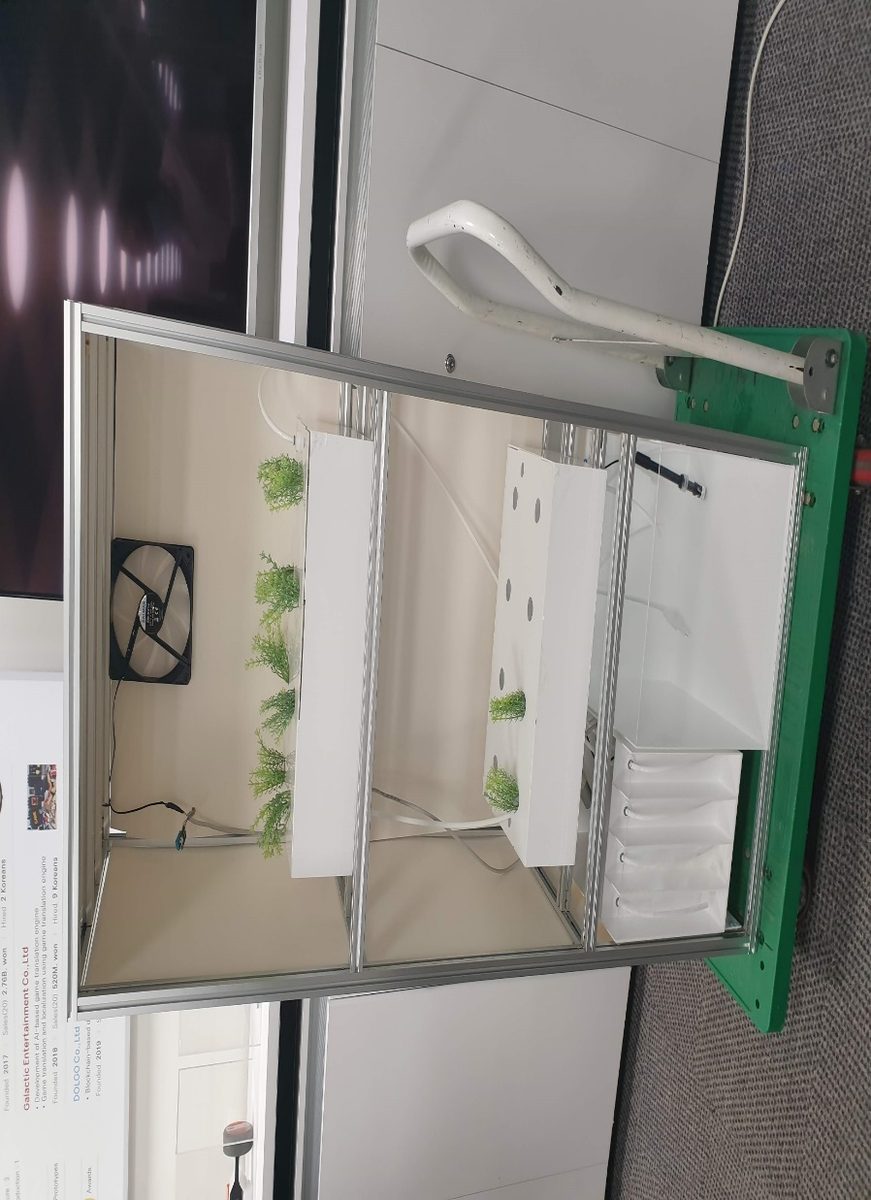
By integrating industrial RS485 temperature-humidity nodes with our SensPanel / FarmHub relay controllers, the greenhouse continuously computes real-time Vapor Pressure Deficit (VPD, target 0.8–1.2 kPa)—automatically staging exhaust fans, evaporative cooling pads, and high-pressure fogging manifolds to prevent blossom-end rot and pollen sterility.