Managing Asia’s Largest Seed Farm: Agronomic Lessons from BADC Dashmina (1,055 Acres) & Coastal Salinity Adaptation
 By Md. Mamunur Reza (Assistant Program Director, APCU-BADC PARTNER & PhD Fellow)
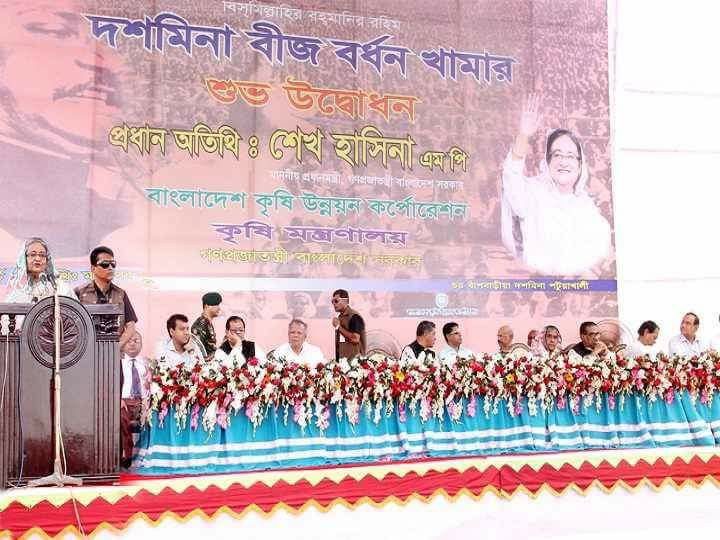
Established on a sprawling alluvial char in Patuakhali district, the BADC Dashmina Seed Multiplication Farm (1,452 acres total / 1,055 acres cultivable) is widely recognized as the largest contiguous government-controlled seed multiplication farm in Asia. From July 2013 to June 2017, I had the privilege of serving on the front lines of this historic national asset.
1. Scale of Operations: Multi-Crop Breeder & Foundation Seed Multiplication
Operating a 1,000+ acre seed farm in Bangladesh’s southern coastal zone requires military-grade synchronization of mechanization, labor, irrigation, and postharvest processing. Each season, our team directly managed:
- Foundation & Certified Rice Seed Blocks: Multiplying salt-tolerant, submergence-tolerant, and high-yielding BRRI and BINA cultivars with strict isolation distances and systematic off-type roguing.
- Pulses, Oilseeds & Winter Vegetables: Executing early planting windows, aphid vector monitoring, and seed processing protocols in coordination with the Barisal Seed Processing Unit.
2. Overcoming Dry-Season Soil & Canal Salinity
In the southern delta, river and soil electrical conductivity (EC) rises sharply between January and April. By storing monsoon freshwater in internal canal reservoirs, maintaining an on-farm agro-meteorological weather station, and scheduling precision irrigation at sensitive physiological stages, we consistently achieved foundation seed yields meeting national and international germination and purity standards.